
We are independent LR partners. Product links lead to our own product pages, and orders are placed in the official LR shop.
Debloating means easing the full, swollen feeling in your tummy, and the tips that actually make sense are mostly simple habits: smaller meals, slower eating, fewer fizzy drinks, enough water and a walk after eating. Peppermint and movement have some support, while many viral tricks, such as celery juice or apple cider vinegar shots, have little evidence behind them. Laxative teas and very strict diets are the trends most worth avoiding.
This article looks at the most popular debloating ideas from social media one by one, explains what is behind them, and helps you decide which ones are worth your time. We also explain where a herbal tea fits in and when bloating needs a doctor rather than a trend.
In short
- Most everyday bloating comes from swallowed air, gas from digestion, constipation or hormonal changes.
- Eating more slowly, keeping portions moderate, drinking still water and walking after meals are low-risk habits worth trying.
- Peppermint oil capsules have some research support for people with irritable bowel syndrome, according to IQWiG.
- Laxative teas with senna or similar plants are not a sensible way to look flatter and should not be used regularly.
- Bloating that does not go away, or comes with weight loss or blood in the stool, needs a GP rather than a trend.
Why has debloating become such a big trend?
Short videos showing a flat tummy in the morning and a rounded one in the evening are very popular, and so are the routines that promise to reverse the change. The truth is less dramatic. It is normal for the tummy to look bigger later in the day, because the gut fills with food, fluid and gas. Hormonal changes before a period add to this for many women.
That does not mean bloating is something you have to accept. It simply means that a realistic goal is to feel more comfortable, not to have a perfectly flat stomach at all times. With that in mind, it becomes much easier to judge which tips are worth trying.
Which debloating tips are worth trying?
The following habits are cheap, safe for most people and address the most common causes of bloating directly.
Slow down at meals
Eating quickly makes you swallow more air and take bigger mouthfuls. Chewing well and giving a main meal around 20 minutes is one of the simplest changes you can make.
Walk after eating
A short walk of ten to fifteen minutes after a meal is sometimes shared online under a rather blunt nickname, but the idea behind it is sound. Gentle movement helps the gut move gas along. IQWiG also describes regular exercise as helpful for digestion.
Swap fizzy drinks for still ones
Carbonated drinks release gas in the stomach. Choosing still water, tea or other still drinks with meals often makes an immediate difference.
Drink enough through the day
Not drinking enough can contribute to constipation, which in turn makes bloating worse. A steady intake of water and other unsweetened drinks is more useful than large amounts at once.
Try peppermint
Peppermint tea is a pleasant, caffeine-free drink after meals. For people with irritable bowel syndrome, IQWiG reports on InformedHealth.org that some benefit from peppermint oil, at least temporarily, usually as enteric-coated capsules of 500 to 800 mg a day. About 9 in 100 participants in studies had mild side effects such as heartburn. Ask a pharmacist before taking capsules, especially if you have reflux.
Which trends have little evidence behind them?
Some ideas are mostly harmless but are unlikely to do what the videos promise. Others can cause problems. The table gives an overview.
| Trend | What is claimed | What we know | Our view |
|---|---|---|---|
| Walk after meals | Less gas and fullness | Movement helps the gut work and is low risk. | Worth trying |
| Peppermint tea or capsules | Relaxes the gut | Some support for peppermint oil in irritable bowel syndrome. | Worth trying, capsules after asking a pharmacist |
| Lemon or cucumber water | Flatter tummy | Helps only in that it makes drinking water more pleasant. | Harmless habit |
| Ginger or fennel tea | Less wind | Traditionally used, with limited good-quality research. | Harmless habit for most people |
| Celery juice in the morning | Reduces bloating | No good evidence for a specific effect. | Not necessary |
| Apple cider vinegar shots | Improves digestion | Little evidence; undiluted vinegar can irritate teeth and throat. | Not recommended undiluted |
| Magnesium powder at night | Flatter morning tummy | Works mainly as a laxative in larger doses. | Only on advice |
| Laxative or slimming teas | Quick flat stomach | Cause diarrhoea and cramps; regular use is not advised. | Avoid |
| Cutting out food groups | Less bloating | Can help a specific intolerance but risks a poorer diet. | Only with a GP or dietitian |
Magnesium as an evening tip
Magnesium powders are often shared as a way to wake up with a flatter tummy. The effect described is largely a laxative one. The fact sheet of the US Office of Dietary Supplements explains that high doses of magnesium from supplements can cause diarrhoea, nausea and cramps, because unabsorbed magnesium salts draw water into the bowel. It sets the upper limit for supplemental magnesium at 350 mg a day for adults. Constipation that needs regular treatment should be discussed with a pharmacist or GP.
Laxative teas
Teas sold for a quick flat stomach often contain plants such as senna, rhubarb root or buckthorn. These contain hydroxyanthracene derivatives, substances with a laxative effect. The UK Health Security Agency published an interim position on their safety in food in April 2024, noting that EFSA could not identify a daily intake that raises no health concerns. Apart from the safety questions, regular laxative use can cause cramps, dehydration and loss of minerals, and it does nothing for the underlying cause of bloating.
Where does a herbal tea fit in?
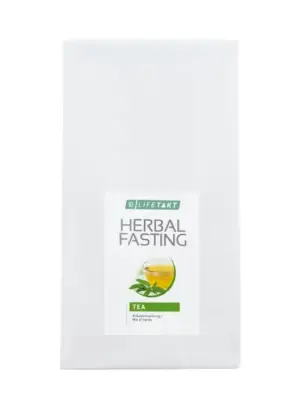
A cup of tea is a pleasant way to sit down, slow down and drink more during the day, and that is a realistic reason to include one in your routine. If you like the taste of green tea and mate, the LR Herbal Fasting Tea with green tea and mate is one option for a warm drink between meals. Please bear in mind that green tea and mate both contain caffeine, so it is better earlier in the day than late in the evening, and you should check the label if you are pregnant or sensitive to caffeine.
A tea is not a debloating treatment, and no tea can promise a flatter stomach. It can simply be part of a routine in which you drink enough, eat more slowly and move more. You can find other daily products in our supplements category.
The tea we mentioned:
How do you find out what makes you bloated?
Trends are general, while your gut is individual. The most useful thing you can do is to keep a simple food and symptom diary for two weeks. Note what you eat and drink, when, how quickly, how you feel afterwards, and things like stress, sleep, exercise and your cycle. Change one thing at a time, so you know which change helped.
Our article on bloating after eating and which habits to change explains how to set up the diary, and the guide to trapped wind relief at home covers positions and gentle massage that many people find helpful.
When should you see a doctor?
Debloating tips are for everyday discomfort. They are not a substitute for medical advice. See your GP if your bloating keeps coming back for three weeks or more, if it does not go down at all, or if you also notice:
- Weight loss without trying.
- Blood in your stool or black stools.
- A lasting change in your bowel habits.
- Feeling full very quickly, pelvic pain or needing to wee more often, especially if you are a woman over 50.
- Difficulty swallowing or repeated vomiting.
Call 999 or go to A&E if you have sudden, severe tummy pain, a hard and tender tummy, or you cannot pass wind or stool and are vomiting.
Frequently asked questions
How can I debloat quickly before an event?
There is no instant fix, but you can help yourself by eating moderate portions of familiar food the day before, avoiding fizzy drinks and very salty meals, drinking still water and going for a walk. Avoid laxatives, as they often cause cramps at the worst possible moment.
Do debloating supplements work?
Products sold for debloating cannot legally claim to reduce bloating unless such a claim has been authorised, and none of the popular herbal ingredients has an authorised claim for this. Changes to how you eat and drink are a better starting point.
Is it normal to be more bloated in the evening?
Yes. Most people have a fuller tummy in the evening than in the morning, because of food, drink and gas collected over the day. It is only a concern if the swelling does not go down overnight or keeps getting worse.
Can stress make bloating worse?
Many people notice more bloating during stressful periods, because stress affects how the gut moves and how sensitive it feels. Regular meals, movement and enough sleep help, and persistent symptoms should still be checked by a GP.
Sources
- InformedHealth.org (IQWiG): Irritable bowel syndrome, what helps and what doesn’t
- InformedHealth.org (IQWiG): Functional dyspepsia
- NIH Office of Dietary Supplements: Magnesium fact sheet for health professionals
- UK Health Security Agency: Interim position on the safety of hydroxyanthracene derivatives for use in food (2024)
Food supplements are not medicines and do not replace a varied, balanced diet and a healthy lifestyle. This article is general information and not medical advice; if you have symptoms or take medication, please speak to your GP or pharmacist.