
We are independent LR partners. Links in this article lead to our own product pages, and orders are placed in the official LR shop.
Most healthy adults in the UK can get the nutrients they need from a varied, balanced diet, so supplements are not essential for everyone. There are, however, a few clear exceptions in NHS advice: everyone should consider vitamin D in autumn and winter, women who could become pregnant should take folic acid, young children are advised to take vitamin drops, and people on a vegan diet need a reliable source of vitamin B12. Beyond these groups, a supplement makes sense when your diet regularly falls short and you cannot easily change it.
This practical guide explains who benefits most from supplements, how to tell whether your diet covers the basics, how to read a supplement label and what to watch out for.
In short
- A varied diet with fruit, vegetables, wholegrains, protein and dairy or alternatives covers most nutrient needs.
- The NHS advises everyone to consider 10 micrograms of vitamin D a day in autumn and winter.
- Women trying for a baby are advised to take 400 micrograms of folic acid a day until the 12th week of pregnancy.
- NRV on a label stands for nutrient reference value and shows how much of a daily reference amount one dose provides.
- More is not always better: some vitamins and minerals can be harmful in high doses, so stay within the dose on the pack.
Do you really need supplements?
For most people, the honest answer is no, as long as their diet is varied. Food provides not only vitamins and minerals but also fibre, protein and many other compounds that a tablet cannot copy. The UK’s Eatwell Guide suggests at least five portions of fruit and vegetables a day, starchy foods as the base of meals (wholegrain where possible), some protein from beans, pulses, fish, eggs or meat, and some dairy or fortified alternatives.
Supplements are useful when there is a gap that food cannot easily fill. This might be because of the season, a life stage such as pregnancy, a restricted diet, or a medical condition that your GP has identified. In those situations, the right supplement is a practical tool rather than an extra.
Who does the NHS say should consider supplements?
UK health advice names several groups. The table below summarises the main points; your GP, midwife or pharmacist can advise on your own situation.
| Who | What is advised | Why |
|---|---|---|
| Everyone, in autumn and winter | Consider 10 micrograms of vitamin D a day | From October to March, UK sunlight is too weak for the skin to make enough vitamin D |
| People who are rarely outdoors, cover their skin or have dark skin | Consider 10 micrograms of vitamin D a day all year | They may not make enough vitamin D even in summer |
| Women trying to get pregnant and in early pregnancy | 400 micrograms of folic acid a day until the 12th week | Folic acid is important for the baby’s early development |
| Children from 6 months to 5 years | Vitamin drops containing vitamins A, C and D | Growing children have high needs and can be fussy eaters |
| Babies fed with breast milk | Vitamin D drops from birth | Breast milk alone may not provide enough vitamin D |
| People following a vegan diet | A reliable source of vitamin B12, from fortified foods or a supplement | Vitamin B12 is found naturally almost only in animal foods |
For more detail on the most common supplement in the UK, see our article on vitamin D in winter.
How can you tell whether your diet covers the basics?
A simple self-check is to look at a typical week rather than a single day. Do you eat at least five portions of fruit and vegetables most days? Do you have fish twice a week, including one portion of oily fish? Do you eat wholegrains, pulses, nuts or seeds regularly? Do you have some dairy or a calcium-fortified alternative every day?
If you answer no to several of these questions, start with food. Small swaps, such as tinned sardines on toast once a week, a handful of nuts instead of biscuits, or frozen vegetables added to a pasta sauce, often close the gap more effectively than a pill. If you still fall short, for example because you never eat fish, a targeted supplement can be a reasonable second step.
How do you read a supplement label?
Supplement labels in the UK follow strict rules. They must show the name of each nutrient, the amount per recommended daily dose and the percentage of the nutrient reference value. They must also carry warnings not to exceed the recommended daily dose, a statement that supplements should not replace a varied diet, and advice to keep the product out of reach of young children.
NRV stands for nutrient reference value. It is a reference amount for an average adult, and the percentage tells you how much of that amount one daily dose provides. A product with 100% NRV of vitamin C provides 80 mg, the reference value used on labels. Our article on what NRV means on a supplement label explains this in more detail.
Health claims on labels are also regulated. Only claims that have been scientifically assessed and authorised may be used, and only when the product contains enough of the nutrient. The European Food Safety Authority assesses the science, and the authorised claims are listed in the EU Register of nutrition and health claims, with a matching register in Great Britain. If a product promises much more than “contributes to normal function”, be cautious. You can read why in our article on why supplements can only say certain things.
Can you take too much of a supplement?
Yes. Some vitamins and minerals are harmless in excess, but others can build up in the body. NHS advice, for example, is not to take more than 100 micrograms of vitamin D a day as an adult, and pregnant women are advised to avoid supplements containing vitamin A in the form of retinol. Taking several products at once can easily double the dose of a nutrient without you noticing.
Write down every supplement you take, including the amounts, and check for overlaps. Take the list with you when you see your GP or pharmacist, especially if you also take prescribed medicines.
What should you check before you buy?
Before you buy any supplement, ask yourself four questions. Is there a clear reason for taking it, such as the season, a life stage or a known gap in your diet? Does the label show the exact amount of each nutrient per daily dose? Does the dose make sense, neither far too low to matter nor far above the reference value? And are there any medicines or conditions that might interact with it?
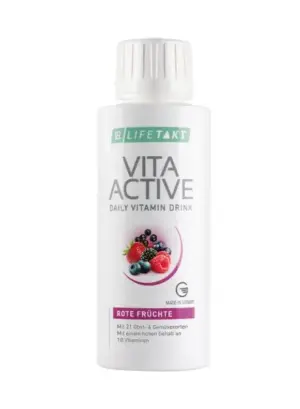
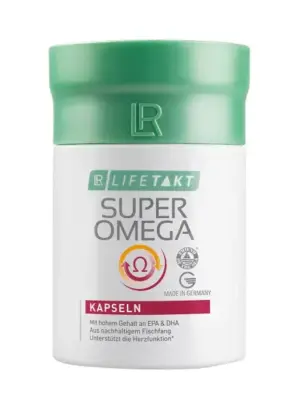
If you are looking for a simple product for the darker months, Vita Active Red Fruits is a liquid vitamin concentrate with a daily portion of 5 ml. It provides 10 micrograms of vitamin D, the amount the NHS suggests for autumn and winter, together with vitamin E and eight B vitamins at 100% of their reference values. Vitamin D contributes to the maintenance of normal bones and to the normal function of the immune system. If you rarely eat oily fish, Super Omega capsules provide 630 mg of EPA and 420 mg of DHA in three capsules a day. EPA and DHA contribute to the normal function of the heart; the beneficial effect is obtained with a daily intake of 250 mg of EPA and DHA.
Both products are shown below, and more options are in our supplements category:
When should you see a doctor?
Speak to your GP or pharmacist before you start a supplement if you are pregnant or breastfeeding, take prescribed medicines such as blood thinners, have a long-term condition such as kidney disease, or are buying for a child. See your GP rather than starting a supplement on your own if you have ongoing tiredness, unexplained weight loss, hair loss, pale skin or breathlessness, because these may point to a deficiency or another cause that needs testing. A blood test can show whether you are low in iron, vitamin B12 or vitamin D, and the right dose then depends on the result.
Frequently asked questions
Should I take a multivitamin every day?
Most healthy adults with a varied diet do not need one. A multivitamin can be a sensible safety net during periods when your diet is limited, as long as it stays close to 100% of the reference values.
What is the most useful supplement in the UK?
For most people, vitamin D in autumn and winter is the supplement with the clearest advice behind it. The NHS suggests 10 micrograms a day from October to March.
Are natural supplements safer than synthetic ones?
Not necessarily. Herbal and natural products can interact with medicines and vary in strength, so read the label and ask your pharmacist if you take other medicines.
When is the best time to take supplements?
Follow the instructions on the pack. Fat-soluble vitamins such as vitamin D and omega-3 oils are often taken with a meal that contains some fat.
Can supplements replace a healthy diet?
No. Supplements can fill specific gaps, but they cannot provide the fibre, protein and wide range of nutrients that a varied diet offers.
Sources
- European Commission: EU Register of nutrition and health claims
- EFSA: Health claims
- EFSA: EFSA assesses safety of long-chain omega-3 fatty acids (2012)
- Nordic Nutrition Recommendations 2023: Vitamin C
Food supplements are not medicines and should not replace a varied, balanced diet and a healthy lifestyle. This article is general information and not medical advice.