
We are independent LR partners. Product links lead to our own product pages, and orders are placed in the official LR shop.
Delayed muscle soreness, often called DOMS (delayed onset muscle soreness), is the stiff, tender feeling that appears a day or two after unfamiliar or harder exercise. It is a normal response of muscles that have been worked in a new way, it usually eases on its own within a few days, and the most useful things you can do are to keep moving gently, build up your training gradually and eat enough protein across the day.
In this article you will find why the soreness comes late, what helps you feel more comfortable while it passes, how to plan your next sessions so it hits less hard, and how to tell ordinary soreness from an injury that needs a professional.
In short
- DOMS usually starts 12 to 24 hours after exercise, feels worst on the second or third day and fades within about a week.
- It is most common after a new activity, a big jump in effort or exercises where muscles lengthen under load, such as walking downhill.
- Light movement, sleep, enough fluids and regular meals with protein are the basis of recovery.
- Sharp pain during exercise, swelling, bruising or pain that does not improve after a week are signs of something other than DOMS.
What is delayed muscle soreness (DOMS)?
Delayed muscle soreness is muscle aching and tenderness that develops some hours after exercise rather than during it. Sports scientists generally describe it as starting within the first day, peaking around 24 to 72 hours after the session and settling within five to seven days. The affected muscles feel stiff, tender to touch and weaker than usual, and the first stairs of the morning can be a slow affair.
The soreness is linked to tiny changes in muscle fibres and the surrounding tissue when they are asked to do more than they are used to. The body responds with a repair process, and the muscle adapts so that the same effort causes far less soreness next time. That is why the first week back at the gym after the summer often hurts more than the fifth.
Why do sore muscles after exercise appear a day later?
During exercise you feel fatigue and a burning sensation, which pass quickly once you stop. The repair process that produces DOMS takes longer to build up, so the tenderness arrives the next morning or even the day after. It is not caused by lactic acid staying in the muscles, which is a common myth; lactate is cleared within an hour or so of finishing.
Certain types of movement are especially likely to leave you sore. Eccentric work, where the muscle lengthens while it is under load, is the classic example. Walking or running downhill, lowering a heavy weight slowly, the downward phase of a squat and a long day of gardening all fall into this category. A first Parkrun, a new spin class or a weekend of decorating can do the same.
How long does muscle pain after a workout last?
For most people the timeline looks similar, although it varies with fitness, age and how big the change in effort was. The table gives a typical picture and what tends to help at each stage.
| Time after exercise | What you may notice | What tends to help |
|---|---|---|
| 0 to 12 hours | Tired legs or arms, little or no pain | A meal with protein and carbohydrate, fluids and a gentle cool-down walk. |
| 12 to 24 hours | Stiffness, especially on waking | Easy movement, a warm shower and a short walk. |
| 24 to 72 hours | Peak tenderness, muscles feel weaker | Light activity rather than complete rest, a massage with a warming lotion, sleep. |
| 3 to 7 days | Soreness fades steadily | Return to normal training, starting a little lighter. |
| Beyond 7 days | Pain should have gone | If it has not, ask a GP or physiotherapist to check it. |
What helps sore muscles recover?
No single method makes DOMS disappear overnight, but several simple habits make the days afterwards more comfortable and help your body adapt.
- Gentle movement such as walking, cycling at an easy pace or swimming increases blood flow and usually reduces stiffness more than lying on the sofa.
- Sleep is when much of the repair work happens, so an early night after a hard session is worth more than any gadget.
- Regular meals with protein give your muscles the building blocks they need, and Mayo Clinic suggests eating a meal with both carbohydrate and protein within about two hours after exercise where possible.
- Drinking enough fluid matters, especially after a long or sweaty session.
- A warm bath or shower and a slow, gentle massage can make tight muscles feel looser for a while.
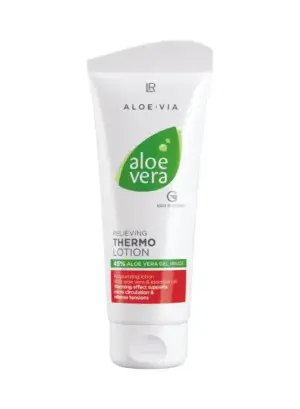
Many people find massage particularly pleasant on day two. A warming lotion such as the LR Aloe Vera Relaxing Thermo Lotion creates a feeling of warmth on the skin while you massage, which many people find relaxing after sport or a long day on their feet. It is a cosmetic product for comfort, so it does not speed up muscle repair. Do a small patch test first, keep it away from your eyes and from broken or freshly shaved skin, and wash your hands afterwards.
Does protein help with muscle recovery?
Protein is the nutrient most closely linked to muscle. The authorised health claims state that protein contributes to a growth in muscle mass and that protein contributes to the maintenance of muscle mass. These claims describe how protein supports muscle over time; they do not promise that a shake will stop you aching the next day.
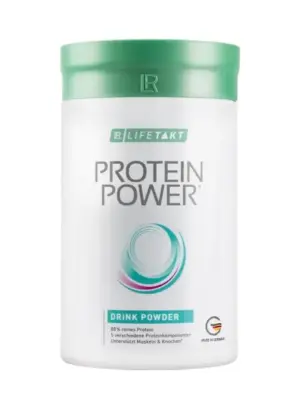
Most people meet their needs with ordinary food such as eggs, yoghurt, milk, fish, chicken, beans and lentils, spread over three meals. If you train early or late and struggle to eat a proper meal afterwards, a protein drink can be a convenient way to fill the gap. One serving of LR Protein Power (12.5 g of powder) mixed with water provides 10 g of protein, as well as magnesium and vitamin B6. Magnesium contributes to normal muscle function and to a reduction of tiredness and fatigue, and vitamin B6 contributes to normal protein and glycogen metabolism. The powder is made with milk, soy and egg proteins, so check the label if you have an allergy. Women over 40 who want to keep their muscle strength may also find our guide to protein for women over 40 useful.
The two products we mention for the days after training are shown here, and you will find more in our daily supplements category:
How can you avoid DOMS next time?
The most reliable way to limit DOMS is to increase your training gradually. Add a little more distance, weight or time each week rather than doubling everything at once. Mayo Clinic also advises warming up with five to ten minutes of brisk walking or other light aerobic activity, increasing weights slowly while keeping good technique, and not exercising the same muscles two days in a row.
If you are starting something new, such as a running plan or a strength class, accept that the first one or two weeks will bring some soreness. Plan an easier day after each new session, and remember that the same workout will feel much kinder by the third or fourth time.
When should you see a doctor?
Ordinary DOMS feels like a dull, even ache on both sides of the body in the muscles you used. See a GP, physiotherapist or NHS 111 if:
- you felt a sudden, sharp pain or a pop during exercise;
- a muscle or joint is swollen, bruised or cannot take your weight;
- the pain is getting worse after three days instead of better, or has not gone after a week;
- you have muscle pain after starting or increasing a medicine, especially a statin;
- your urine is very dark or brown after hard exercise, or you feel extremely weak, which needs urgent medical attention;
- you have calf pain with swelling or warmth in one leg, or pain together with fever or a rash.
Call 999 if you have chest pain, difficulty breathing or dizziness during or after exercise.
Frequently asked questions
Should I exercise with DOMS?
Light activity is usually fine and often helps. Choose something easy or train a different muscle group, and leave the hard session until the soreness has eased. If movement makes the pain sharper rather than easier, rest that area.
Does stretching stop sore muscles?
Stretching feels pleasant and keeps you flexible, but it does not seem to prevent DOMS in a meaningful way. Use it as part of a warm-up and cool-down rather than as a remedy.
Is DOMS a sign of a good workout?
Not necessarily. Soreness shows that your muscles did something new, not that the session was more effective. Many well-planned training weeks cause little or no soreness at all.
Can a warm bath help?
A warm bath relaxes tight muscles for a while and can help you sleep. It will not shorten DOMS, but feeling more comfortable makes it easier to keep moving.
Why am I sorer as I get older?
Recovery can take a little longer with age, especially if you train less often. Regular, steady activity and enough protein in your diet help most people more than long breaks followed by intense sessions.
Sources
- Mayo Clinic: Muscle pain, causes and when to see a doctor
- Mayo Clinic: Weight training, do’s and don’ts of proper technique
- Mayo Clinic: Eating and exercise, tips to maximise your workouts
- European Commission: EU Register of nutrition and health claims
Food supplements are not medicines and do not replace a varied, balanced diet and a healthy lifestyle. This article is general information and not medical advice; if you have a health condition, take medication or are pregnant, speak to your GP or pharmacist first.