
We are independent LR partners. Links in this article lead to our product pages, and orders are placed in the official LR shop.
Dark circles under the eyes are usually caused by a mix of genetics, thin skin that shows the blood vessels beneath it, shadows from the shape of the face, and everyday factors such as tiredness, allergies, rubbing the eyes and sun exposure. In most people they are harmless and cosmetic. They rarely disappear completely, but sleep, sun protection, treating hay fever and a good concealer technique can make them much less noticeable.
This article explains the different types of dark circles, what you can change and what you cannot, how to cover them neatly with make-up, and when a dark or swollen eye area is a reason to see a GP.
In short
- Dark circles often run in families, and a review in the Journal of Clinical and Aesthetic Dermatology (2016) describes periorbital darkening as having a genetic basis.
- The skin under the eyes is among the thinnest on the body, so blood vessels and shadows show through more easily.
- Rubbing itchy eyes, hay fever and eczema around the eyes can all make the area look darker.
- Sun protection, enough sleep, less alcohol and not smoking are the everyday habits most often recommended.
- Dark circles that appear suddenly, affect only one eye or come with swelling or pain should be checked by a GP.
Why do dark circles under the eyes appear?
Dark circles are an area of darker-looking skin below the lower eyelid. The term covers several different things, which is why one remedy works for one person and does nothing for another. According to the 2016 review by Sarkar and colleagues and the overview published by the Mayo Clinic, the main causes are these.
- Genetics plays a large part, and many people with dark circles have a parent with the same feature.
- Thin skin over the muscle around the eye lets the small blood vessels show through, which gives a bluish or purple tint.
- Hollows under the eyes, which deepen with age as fat and skin thickness decrease, cast a shadow that looks like a dark ring.
- Extra pigment in the skin, which is more common in people with brown or Black skin, gives a brown tone that does not change with sleep.
- Allergies and eczema make the eyes itchy, and rubbing them can darken the skin over time.
- Sun exposure, smoking, heavy drinking and stress are also listed as contributing factors.
Tiredness deserves a special mention. Lack of sleep does not create dark circles from nothing, and the 2016 review notes that the link is not clinically proven, but a pale, tired face makes existing circles far more obvious. If you feel exhausted most days, it is worth reading our article on feeling tired all the time, because the cause may need attention in its own right.
Which type of dark circles do you have?
A simple test helps. Stand by a window in daylight and gently stretch the skin below your eye with a fingertip. If the darkness fades, it is mostly shadow or blood vessels. If it stays the same, it is mostly pigment. The table summarises what usually helps each type.
| Type | What it looks like | What tends to help |
|---|---|---|
| Vascular (blood vessels) | Blue, purple or pinkish tint, often worse when tired or during a period | Cold compresses, sleep, a peach-toned corrector |
| Pigmented | Brown tone that stays when the skin is stretched | Daily sun protection, not rubbing the eyes, an orange or peach corrector |
| Shadow (hollows) | Darkness that changes with the light and fades when you tilt your head up | Lighting and make-up technique; a creamy concealer that does not settle into lines |
| Puffiness related | Swelling in the morning, after salty food or alcohol, with a shadow underneath | Raising your head on an extra pillow, less salt and alcohol in the evening |
| Allergy related | Darkness with itchy, watery eyes, often in the pollen season | Treating the allergy with a pharmacist’s help and not rubbing the eyes |
Puffiness and dark circles often appear together, but they are not the same thing. If swelling is your main concern, our article on bags under eyes and their everyday causes goes into more detail.
What everyday habits make a difference?
The habits that help are not exciting, but they are the ones dermatologists and the Mayo Clinic mention again and again. Sun protection comes first. Wear a broad-spectrum sunscreen of SPF 30 or higher on your face every day, including cloudy British days, and add sunglasses with UV protection when the sun is out. Pigment around the eyes darkens with UV exposure, so this is the single most useful habit for brown circles.
Next, stop rubbing your eyes. People with hay fever, contact lens wearers and anyone who removes eye make-up with a rough flannel tend to rub the area many times a day without realising. Use a gentle make-up remover on a soft pad, press rather than wipe, and treat itchy eyes properly. According to IQWiG, the German Institute for Quality and Efficiency in Health Care, hay fever can cause watery, itchy eyes and swollen eyelids, and a pharmacist can suggest suitable antihistamines or eye drops.
A cold compress in the morning is a simple trick. A clean flannel rinsed in cold water, or a chilled spoon held gently under the eye for a minute or two, narrows the small blood vessels and reduces puffiness for a few hours. Sleeping with your head slightly raised also helps fluid drain overnight. Finally, alcohol, smoking and very salty evening meals all make the eye area look worse the next morning.
Can an eye cream help with dark circles?
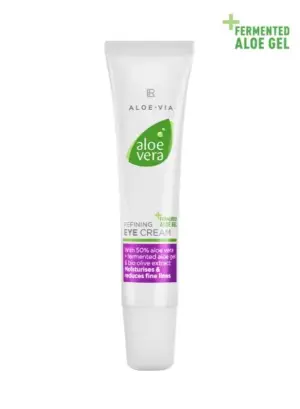
An eye cream will not change your genes or the shape of your face, and no cream can promise to remove dark circles. What a good eye cream can do is moisturise the thin skin, make it feel smoother and give make-up a better base, so that concealer looks fresher and settles less into fine lines. Choose a texture that absorbs quickly and does not sting. The Aloe Vera Refining Eye Cream is a light cream for the delicate skin around the eyes and suits a morning routine before make-up. Apply a small amount with your ring finger, tapping gently along the bone rather than right up to the lash line.
How do you cover dark circles with concealer?
Good technique matters more than the product. Most people use too much concealer and spread it too far, which makes the area look heavier. Follow these steps for a natural finish.
- Moisturise the eye area first and wait a minute or two, so that the concealer glides on rather than dragging.
- If the circles are strongly blue, purple or brown, apply a thin layer of peach or orange-toned corrector only where the darkness is deepest, usually the inner corner.
- Choose a concealer one shade lighter than your foundation at most, because a much lighter shade creates a grey cast over dark areas.
- Dot it in the inner corner and along the darkest part, then tap it in with your ring finger or a small damp sponge instead of rubbing.
- Set it with the lightest dusting of powder only if it tends to crease, and leave the outer corner bare to keep it fresh.
A creamy formula that does not dry out is easier to blend on thin skin. The Signature Concealer is made for this area, and you can find the rest of the range in our make-up category.
These are the two products we mention for a simple morning routine around the eyes:
When should you see a doctor?
Most dark circles are harmless, but some changes around the eyes need a medical opinion. Book an appointment with your GP if any of these apply to you.
- The darkness or swelling affects only one eye, or it appeared suddenly without an obvious reason.
- Your eyelids are red, painful, hot or very swollen, or you have a fever.
- You notice changes in your vision, pain when moving the eye or a bulging eye.
- The skin is itchy, flaky or weeping, which may be eczema or a contact allergy that needs proper treatment.
- You also feel exhausted, short of breath or unusually pale, because these can point to a problem such as anaemia that needs a blood test.
Go to A&E straight away if dark bruising around both eyes follows a blow to the head.
Frequently asked questions
Can dark circles under the eyes be permanent?
Yes. Circles caused by genetics, pigment or the shape of the face often stay throughout life. Habits and make-up can make them less noticeable, while a dermatologist can discuss medical options if they really bother you.
Do dark circles mean I am not sleeping enough?
Not necessarily. Many well-rested people have dark circles because of their genes or skin type. Poor sleep usually makes existing circles more visible rather than creating them.
What colour corrector should I use?
Peach suits blue or purple circles on lighter skin, and orange or deeper peach suits brown circles on medium and deep skin. Use only a little, then apply concealer on top.
Can allergies cause dark circles?
They can. Hay fever and eczema make the eyes itchy and puffy, and frequent rubbing can darken the skin. Treating the allergy with advice from a pharmacist often helps the eye area look better.
Is it worth buying an expensive eye cream?
Price is not a good guide. A comfortable, fragrance-light eye cream that you use every day will help the skin feel smoother and make concealer sit better, but no cream can promise to remove dark circles.
Sources
- Mayo Clinic: Dark circles under eyes
- Sarkar R. et al. (2016): Periorbital Hyperpigmentation, a Comprehensive Review, J Clin Aesthet Dermatol
- InformedHealth.org (IQWiG): Hay fever
We are independent LR partners, not LR Health & Beauty itself. This article is general information and not medical advice.