
We are independent LR partners. Product links lead to our own product pages, and orders are placed in the official LR shop.
Razor bumps are small, sore or itchy spots that appear when shaved hairs curl back and grow into the skin instead of out of it. They are most common in people with curly or coarse hair, on the beard area, neck, bikini line and legs. The most effective ways to prevent them are to shave less closely, shave in the direction of hair growth with a sharp blade, avoid stretching the skin while shaving and exfoliate gently a couple of times a week.
Below we explain why curly hair grows back in, how to change your shaving routine step by step, what exfoliation can and cannot do, and when a bump needs a GP rather than another tube of gel.
In short
- Razor bumps form when a hair cut to a sharp tip curls back and pierces the skin, which reacts as if it were a splinter.
- The medical name for razor bumps in the beard area is pseudofolliculitis barbae, and it mainly affects people with tightly curled hair.
- Shaving with the grain, without pulling the skin tight and without going over the same area again and again, reduces the risk.
- Leaving a little stubble with clippers or an electric shaver is often the simplest fix.
- Bumps that keep coming back, fill with pus, leave dark marks or form raised scars should be seen by a GP.
What are razor bumps?
Razor bumps are a type of ingrown hair. Mayo Clinic describes ingrown hair as a hair that has been shaved, tweezed or waxed and then regrows back into the skin. The skin treats the hair as a foreign object, which causes small, swollen and sometimes painful bumps, itching or stinging, and sometimes small pus-filled spots. In people with darker skin, the area around the bumps can also become darker.
Razor bumps are not the same as razor burn. Razor burn is general redness and stinging straight after a shave, caused by friction and a blunt blade, and it fades within hours or a day. Razor bumps appear a day or more after shaving, once the hairs have started to regrow. Our article on razor burn deals with that side of shaving irritation.
Why does curly hair grow back into the skin?
Hair grows from a follicle, and the shape of the follicle decides the shape of the hair. Curved follicles produce curly hair, and Mayo Clinic notes that tightly curled hair is the main risk factor for ingrown hairs. When such a hair is cut, the tip is left sharp and angled. As it grows, it bends back towards the skin and can pierce it a millimetre or two from where it came out.
Two shaving habits make this more likely. Pulling the skin taut while shaving lets the blade cut the hair below the skin surface, so when the skin relaxes the tip is already trapped. Shaving against the grain cuts the hair very short at an angle. Tweezing has a similar effect, because the new hair may grow in sideways.
How do you shave to prevent razor bumps?
Small changes to your routine make a big difference. The table compares common habits with gentler alternatives.
| Common habit | Gentler alternative | Why it helps |
|---|---|---|
| Shaving on dry skin or straight after waking | Shave after a warm shower, or hold a warm, damp flannel on the area for a minute | Warm water softens the hair so it cuts more cleanly. |
| Little or no lather | Use a shaving gel or cream and leave it on for a minute | The blade glides instead of dragging. |
| Shaving against the grain for a closer finish | Shave in the direction the hair grows | Hairs are cut slightly longer and are less likely to curl back in. |
| Stretching the skin tight | Let the skin rest naturally | The hair is not cut below the skin surface. |
| Going over the same spot many times | Use as few strokes as possible and rinse the blade after each one | Less friction and fewer very short hairs. |
| Using a blade until it feels blunt | Change the blade regularly | A sharp blade cuts cleanly with less pressure. |
Mayo Clinic also suggests a sharp single-blade razor, rinsing the skin after shaving, a cool, wet cloth for a few minutes afterwards and then a soothing aftershave. If you keep getting bumps despite these steps, clippers or an electric shaver set so that it does not cut right down to the skin is often the most reliable option.
Which shaving products are kind to bump-prone skin?
A clear shaving gel helps because you can see exactly where the hairs grow and which direction they point. We use the LR Aloe Vera Clear & Precise Shaving Gel for that reason, especially around the jawline, the edges of a beard and the neck. Before shaving, washing the area with a mild product such as the Aloe Vera 4in1 Beard, Hair, Face & Body Wash removes oil and loose skin cells and warms the hair at the same time. These products make shaving more comfortable; they do not treat ingrown hairs that have already formed. You will find aftershave balms and other men’s care in our aloe vera skincare category, and our three-step men’s skincare routine shows how it all fits together.
The two products we use for a gentler shave are here:
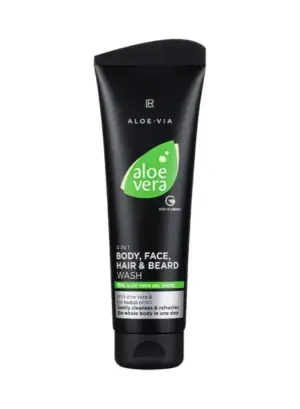
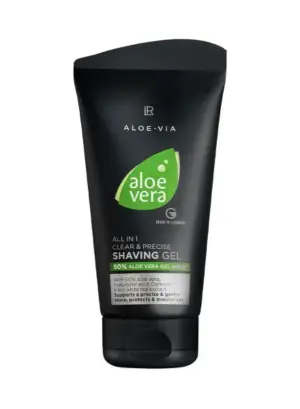
Does exfoliation help ingrown hairs?
Gentle exfoliation removes dead skin cells that can trap a hair under the surface. A soft flannel or a mild scrub used two or three times a week, on days when you do not shave, is enough for most people. Mayo Clinic mentions glycolic acid lotions as a way to exfoliate after shaving, and notes that they may help hairs grow out straighter. Do not scrub skin that is already inflamed, as it makes the irritation worse.
Never dig out an ingrown hair with tweezers or a needle that is not sterile. If you can see a loop of hair at the surface, a warm compress may help it come free on its own. Squeezing bumps increases the risk of infection and marks.
When should you see a GP about razor bumps?
An occasional ingrown hair is not a concern. Make an appointment with your GP if:
- bumps keep coming back despite changes to your shaving routine;
- spots fill with pus, become very painful, red and hot, or you feel unwell;
- dark patches or raised, firm scars (keloids) are forming in the shaved area;
- the problem affects your work, for example if your job requires you to be clean-shaven.
A GP can prescribe creams that reduce inflammation or treat infection, and refer you to a dermatologist if the problem is severe or keeps returning. Mayo Clinic notes that stopping hair removal for one to six months is often advised to let the skin recover, and that laser hair removal offers a longer-term option for persistent cases.
Frequently asked questions
Do women get razor bumps too?
Yes. They are common on the bikini line, underarms and legs, especially when the hair is coarse or curly. The same rules apply: shave with the grain, use a sharp blade and avoid pulling the skin tight.
Is growing a beard the best way to stop razor bumps?
Letting the beard grow, or trimming it rather than shaving close, often solves the problem because the hairs are long enough to grow out normally. Our beard care guide covers keeping the skin underneath comfortable.
Are multi-blade razors bad for razor bumps?
Multi-blade razors lift and cut each hair several times, which gives a very close shave. For people prone to razor bumps, that closeness is often the problem, so a single blade or an electric shaver may suit them better.
How long do razor bumps last?
Mild bumps usually settle within a week or two once you stop shaving the area or change your technique. Dark marks left behind can take longer to fade.
Sources
This article is general information and not medical advice. We are independent LR partners and do not speak for LR Health & Beauty.