
We are independent LR partners. Product links lead to our own product pages, and orders are placed in the official LR shop.
The best body cream for dry skin is the one with the right texture for your skin and the season, used every day straight after washing. Light lotions suit mildly dry skin and warm weather, creams suit most dry skin all year round, and rich balms or ointments are best for very dry, rough areas such as elbows, knees and heels.
In this guide we explain how lotions, creams and balms differ, when to apply them for the most comfortable result, how much to use and how to care for the rough patches that never seem to soften.
In short
- A body moisturiser for dry skin works by adding water-binding ingredients and fats that slow down water loss from the skin.
- Lotions contain the most water and feel light, creams balance water and oil, and balms or ointments contain the most fat and last longest.
- Applying cream to slightly damp skin within a few minutes of a shower helps trap moisture.
- Elbows, knees and heels have thicker skin and usually need a richer product than arms and legs.
- No single texture is proven to be best for everyone, so choose the one you will actually use every day.
How do lotion, cream and balm differ?
All three are emollients, which simply means products that soften and moisturise the skin. The difference lies in the ratio of water to fat. InformedHealth.org, the patient information service of the German Institute for Quality and Efficiency in Health Care, explains that ointments have the highest fat content and form a thick, long-lasting protective film; creams are less greasy, easier to apply and absorb faster; and lotions are watery, evaporate quickly and feel cooling, but can dry the skin slightly.
| Texture | How it feels | Best for | Things to know |
|---|---|---|---|
| Lotion or milk | Light, spreads easily, absorbs within a minute | Mildly dry skin, summer, large areas such as legs and back | May not be enough for very dry skin in winter. |
| Cream | Medium richness, absorbs in a few minutes | Most dry skin, daily use all year, face and body | The most versatile choice if you want one product. |
| Balm or ointment | Rich, sometimes greasy, stays on the surface | Very dry or rough areas, night-time, cold weather | Can mark clothes and bedding, so it works best at night. |
InformedHealth.org also notes that there are no good-quality studies comparing these product types with each other, so the choice should depend on what is easy to use in daily life. That is a reassuring message: the best moisturiser is the one you are happy to put on every day.
How do you choose a body moisturiser for dry skin?
Start by asking how dry your skin really is. If it feels tight after a shower but looks fine, a light cream or lotion is usually enough. If it looks dull, flaky or rough to the touch, choose a cream with a richer feel. If it itches, cracks or looks scaly in places, use a balm or rich cream on those areas and consider speaking to a pharmacist.
Next, think about the time of day. Many people prefer a fast-absorbing cream in the morning, so they can get dressed straight away, and a richer product in the evening. The season matters too, as the same skin may be happy with a lotion in July and need a cream in January.
Fragrance is the final point. Perfumed body creams are pleasant, but if your skin reacts easily, choose a lightly scented or fragrance-free product and test it on a small area for a few days. Our article on moisturiser ingredients for dry skin explains what to look for on the label.
When is the best time to apply body cream?
The most effective moment is within a few minutes of a bath or shower, while the skin is still slightly damp. InformedHealth.org and Mayo Clinic both recommend applying moisturiser to damp skin to help keep the water in. Pat yourself dry with a towel rather than rubbing, then apply the cream before you get dressed.
Mayo Clinic also suggests keeping showers to five to ten minutes in warm rather than hot water, using a cleansing cream or mild shower gel, and reapplying moisturiser whenever your skin feels dry. On very dry days that might mean a second, lighter application before bed.
How much cream should you use?
Most people use too little. Apply enough to cover the skin in a thin, even layer that disappears within a few minutes, and smooth it in the direction of hair growth rather than rubbing hard. If your skin feels tight again within an hour, you either need more product or a richer texture. A full-size pot or tube of body cream used daily on arms and legs will usually last a few weeks rather than months.
What helps rough elbows, knees and heels?
Skin is not equally thick everywhere. InformedHealth.org explains that repeated pressure or friction makes the outer layer thicker, and that skin is thickest on the soles of the feet and the palms. Elbows that rest on desks and knees that kneel on garden pads often feel rough for the same reason.
For these areas, use a richer cream or balm once or twice a day and massage it in for a little longer. A gentle exfoliation once a week, for example with a soft flannel after a bath, removes some of the dry flakes so the cream can reach the skin underneath. Avoid scraping or picking at thick skin. Heels need their own routine, which we describe in our guide to cracked heels.
Which body creams do we use for dry skin?
For everyday care of dry skin on the face and body, we like the LR Aloe Vera Soft Skin Cream, a light cream that absorbs quickly and is easy to use after a shower. For elbows, knees, hands and other very dry, rough areas, the richer Aloe Vera Protecting Propolis Cream is the one we keep by the bed. If you want a body cream that also leaves the skin feeling smoother and firmer, the ZEITGARD Activating Body Cream is designed for arms, thighs and other areas where skin starts to feel less firm; it moisturises and cares for the skin but does not change body shape. People with a bee product allergy should check the propolis cream’s ingredients before use. More textures are in our aloe vera skincare category.
The three body creams discussed above are shown here:
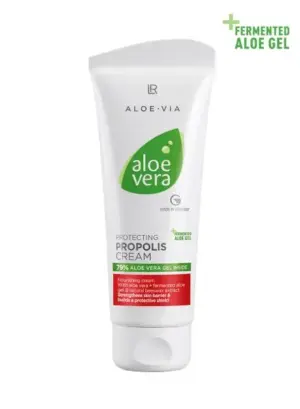
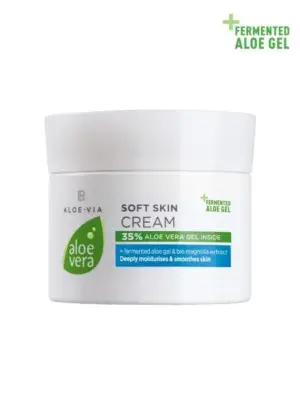
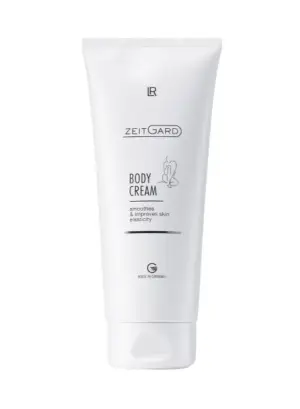
When is dry skin a reason to see a doctor?
Most dry skin on the body improves with regular moisturising and shorter, cooler showers. See a pharmacist or GP if the skin becomes red, inflamed, painful or very itchy, if cracks bleed or look infected, if large areas are scaly or peeling, or if itching disturbs your sleep. Dry skin can also be linked to conditions such as an underactive thyroid or diabetes, so persistent dryness together with other symptoms is worth mentioning to your GP.
Frequently asked questions
Is body oil better than body cream for dry skin?
Body oil stays on the skin longer than a lotion and helps hold water in the surface, but it does not add water itself. Applying oil to damp skin or under a cream combines both effects. Choose whichever feels more comfortable to you.
Can I use my face cream on my body?
You can, although face creams tend to come in smaller sizes and would be used up quickly. Some creams are made for both face and body, which is a practical choice if you prefer a short routine.
Why does my skin feel dry again an hour after moisturising?
The texture may be too light for your skin, the amount may be too small, or your shower may be too hot and long. Try a richer cream, apply it to damp skin and cut the shower time for a week to see what changes.
Do I need a different cream in summer?
Many people switch to a lighter lotion in warm weather because rich creams can feel sticky. Keep a richer product for rough areas and for evenings after a day in the sun.
Sources
- InformedHealth.org: Skin care and topical treatments
- InformedHealth.org: How does skin work?
- Mayo Clinic: Dry skin, diagnosis and treatment
We are independent LR partners and do not speak for LR Health & Beauty.