
We are independent LR partners. Links in this article lead to our product pages, and orders are placed in the official LR shop.
There is no food, drink or supplement that gives your immune system a boost in the way adverts suggest, and you would not want one: an overactive immune system is what happens in allergies. What nutrition can really do is make sure your body has the vitamins and minerals it needs for the immune system to work normally. Several nutrients, including vitamin C, vitamin D, zinc and selenium, have an authorised claim that they contribute to the normal function of the immune system. Sleep, vaccinations, hand washing and a varied diet do far more than any single product.
In this article we look at how the immune system works, why the idea of an immune system boost is misleading, which nutrients matter and where to find them in everyday British food, what supplements can and cannot do, and when frequent infections are a reason to see your GP.
In short
- The immune system is a network of organs, cells and proteins that defends the body against germs and harmful substances, and it is designed to stay in balance rather than run at full power.
- Adults catch on average two to four colds a year, according to IQWiG, Germany’s Institute for Quality and Efficiency in Health Care.
- A review of 29 studies with more than 11,000 participants found that taking vitamin C regularly did not prevent colds in most people, although colds were about 10 per cent shorter.
- Vitamin A, C and D, zinc, selenium, iron, copper, folate and vitamins B6 and B12 all contribute to the normal function of the immune system.
- Good sleep, vaccinations, regular hand washing and a varied diet are the foundations, and supplements can only fill gaps.
How does the immune system actually work?
The immune system is a network of organs, cells and proteins that protects the body from germs, harmful substances and abnormal cell changes. According to IQWiG, it has two parts that work closely together. The innate immune system responds quickly and in the same way to every intruder. The skin, mucous membranes, stomach acid, tears and certain white blood cells belong to this first line of defence. The adaptive immune system is slower to start, but it learns: it produces antibodies against specific germs and remembers them, so that a second encounter is often milder or goes unnoticed.
This memory is exactly how vaccines work. They show the adaptive immune system what a germ looks like without making you seriously ill, so that it is ready if the real thing arrives.
Why is “boosting” the immune system a myth?
The immune system is not a muscle that grows stronger the more you feed it. It is a finely balanced system, and when it overreacts, the result is not better health but problems such as hay fever, allergies or autoimmune conditions. Healthy people do not need their immune system pushed into overdrive; they need it to work normally.
That is why the law is strict about wording. In Great Britain and the EU, food and supplements may only say that a nutrient “contributes to the normal function of the immune system”, and only if the product contains enough of it. Words such as “boost”, “strengthen” or “protect against colds” are not authorised. IQWiG also points out that general phrases like “supports your immune system” on supplement packs do not prove a real benefit. If you want to understand how these rules work, read our article on why supplements can only say certain things.
What really helps your immune system work normally?
The habits with the best evidence are not glamorous, but they are effective and mostly free.
- Sleep matters because the body repairs and regulates itself overnight, so a regular bedtime is worth protecting.
- Vaccinations prepare your adaptive immune system for specific infections, so it is worth taking up the flu and other vaccines you are offered by the NHS.
- Hand washing with ordinary soap, not touching your face and binning used tissues straight away reduce the spread of cold viruses, according to IQWiG.
- A varied diet with vegetables, fruit, wholegrains, pulses, dairy or fortified alternatives, eggs, fish and lean meat provides the nutrients listed below.
- Regular movement, not smoking and keeping alcohol within the UK guidelines all support your general health.
If you often feel run down in winter, poor sleep and a hectic schedule are often part of the picture. Our article on feeling tired all the time looks at the everyday causes.
Which nutrients contribute to the normal function of the immune system?
The following nutrients carry the authorised claim that they contribute to the normal function of the immune system. Most people in the UK can get them from a varied diet, with vitamin D in autumn and winter as the main exception.
| Nutrient | Authorised role | Everyday food sources |
|---|---|---|
| Vitamin C | Contributes to the normal function of the immune system | Peppers, broccoli, kiwi, oranges, strawberries, potatoes |
| Vitamin D | Contributes to the normal function of the immune system | Oily fish, eggs, fortified cereals and spreads; sunlight on the skin in summer |
| Zinc | Contributes to the normal function of the immune system | Meat, shellfish, dairy, wholegrains, pumpkin seeds |
| Selenium | Contributes to the normal function of the immune system | Brazil nuts, fish, eggs, meat |
| Vitamin A | Contributes to the normal function of the immune system | Dairy, eggs, liver; beta-carotene in carrots and sweet potatoes |
| Iron, copper, folate, vitamins B6 and B12 | Contribute to the normal function of the immune system | Red meat, pulses, green leafy vegetables, fortified cereals, fish, dairy |
Vitamin D deserves a special note. Between October and March the sun in the UK is too weak for the skin to make enough, so government advice is that everyone should consider a daily vitamin D supplement during these months. Our article on vitamin D in winter explains how much and who needs it all year round.
Do supplements help you catch fewer colds?
For most people, the honest answer is no. IQWiG’s summary of a review of 29 studies with more than 11,000 participants, most of them taking 1,000 mg or more of vitamin C a day, found that regular vitamin C did not prevent colds in the general population. Colds were about 10 per cent shorter, so a ten-day cold lasted around nine days. Starting vitamin C once symptoms appeared made no difference. IQWiG also describes the evidence for zinc and echinacea as unclear, while vitamin D supplements may help people who are deficient.
Supplements make sense when your diet has gaps: you rarely eat fruit and vegetables, you follow a restricted diet, you spend most of the winter indoors, or your appetite is poor. In those situations a product that provides the nutrients above in sensible amounts can help you reach your intake. Our practical UK guide to supplements helps you decide whether you need one at all.
Which LR products provide these nutrients?
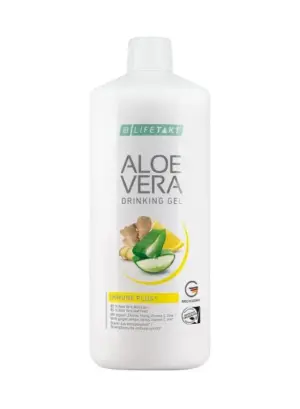
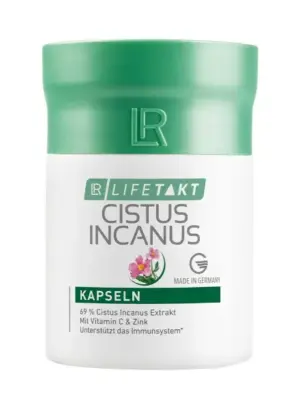
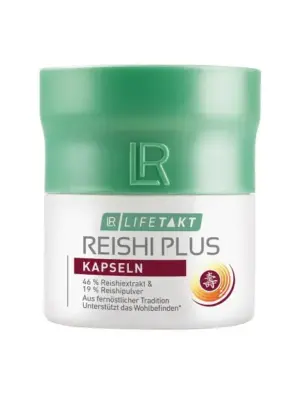
If you would like a daily product during the winter months, the Aloe Vera Drinking Gel Immune Plus provides 80 mg vitamin C, 10 mg zinc and 45 micrograms of selenium in its daily amount of 90 ml. Vitamin C, zinc and selenium contribute to the normal function of the immune system. The Cistus Incanus Capsules provide 80 mg vitamin C and 2 mg zinc in two capsules, and the Reishi Plus Capsules provide 60 mg vitamin C in one capsule. In both, vitamin C contributes to the normal function of the immune system.
Please be aware of the herbal ingredients. The German consumer organisation Verbraucherzentrale NRW advises pregnant and breastfeeding women and children under 12 to avoid cistus products as a precaution, notes that allergic reactions and stomach complaints have been reported, and recommends leaving at least an hour between cistus and any medicines. Memorial Sloan Kettering Cancer Center reports case reports of liver problems linked to powdered reishi and warns that reishi may increase the risk of bleeding in people taking warfarin or other blood thinners. If you take any regular medication, ask your pharmacist or GP before choosing a herbal product. All of our supplements are in our daily supplements category.
These are the three products mentioned above:
When should you see a doctor?
Most colds clear up within one to two weeks without treatment, although a cough can last longer. See your GP if you have a high temperature that does not come down, symptoms that get worse instead of better, chest pain, shortness of breath or difficulty breathing. Also make an appointment if you seem to catch one infection after another, if infections are unusually severe or slow to clear, or if you are losing weight without trying, because these can be signs of a problem that needs investigating. People with long-term lung conditions should seek advice earlier.
Frequently asked questions
Can food make your immune system stronger?
Not in the way adverts suggest. You can help your immune system work normally with good sleep, vaccinations, hygiene and a varied diet that provides key nutrients.
Does vitamin C stop you catching a cold?
Not in most people. Regular vitamin C made colds about 10 per cent shorter in studies, but it did not prevent them, and taking it once symptoms start did not help.
Which vitamin is most important in a British winter?
Vitamin D, because the winter sun in the UK is too weak for the skin to make enough. Government advice is that everyone should consider a supplement from October to March.
Are herbal immune supplements safe?
Not automatically. Herbal ingredients such as cistus and reishi can cause side effects or interact with medicines, so check with a pharmacist or GP if you take regular medication, are pregnant or breastfeeding.
How many colds a year is normal for an adult?
According to IQWiG, adults catch on average two to four colds a year, mostly in the colder months. Children catch more.
Sources
- InformedHealth.org (IQWiG): The innate and adaptive immune systems
- InformedHealth.org (IQWiG): Does vitamin C prevent colds?
- InformedHealth.org (IQWiG): Common colds
- Verbraucherzentrale NRW: Zistrose (cistus), September 2025
- Memorial Sloan Kettering Cancer Center: Reishi mushroom
Food supplements are not medicines and do not replace a varied, balanced diet and a healthy lifestyle. This article is general information and not medical advice.