
We are independent LR partners. Links in this article lead to our product pages, and orders are placed in the official LR shop.
Drinking aloe vera every day is generally considered acceptable for healthy adults when the drink is made from the inner-leaf gel, taken in the amount stated on the label, and avoided during pregnancy and breastfeeding. Before you start, it is worth checking four things: how much the label recommends, how much sugar or honey it contains, whether any of your medicines could interact with it, and whether the product is made in a way that keeps aloin, a laxative substance from the outer leaf, to a minimum. It is also fair to know that aloe vera has no authorised health claim in the UK or the EU.
This guide answers the questions people usually ask before buying their first bottle, from taste and amount to sugar, pregnancy, medication and aloin.
In short
- Drinking aloe is made from the clear gel inside the leaf, while the yellow latex just under the skin contains aloin and has a strong laxative effect.
- Short-term oral use of aloe gel of up to 42 days appeared safe in research studies, according to the US National Center for Complementary and Integrative Health (NCCIH).
- Oral aloe may be unsafe during pregnancy and breastfeeding, so NCCIH advises talking to a health professional first.
- Aloe can interact with some medicines, including diuretics, steroids, warfarin and diabetes medication, according to DermNet.
- Aloe vera itself carries no authorised health claim, so honest sellers do not promise that it treats, cleanses or protects against anything.
What does drinking aloe vera taste like?
Pure aloe gel tastes slightly bitter and grassy, with a texture a little thicker than water. Most people find it easier to drink when it is flavoured, which is why many drinking gels contain honey or fruit. If you are new to aloe, a milder flavour is a gentler start. Drinking it cold from the fridge, or mixing your portion with a little water or juice, also helps. Shake the bottle before pouring, because the fibres of the gel settle at the bottom.
How much drinking aloe should you have a day?
There is no official recommended amount of aloe vera, so follow the label of the product you buy. LR’s drinking gels, for example, are labelled for 90 ml a day, taken as three portions of 30 ml. Do not exceed the stated amount in the hope of feeling a bigger effect; more aloe is not better, and larger amounts are more likely to upset the stomach.
Many people start with a single 30 ml portion for the first few days and build up to the full amount if they feel fine. Once opened, keep the bottle in the fridge and use it within the time shown on the label.
How much sugar is in aloe vera drinks?
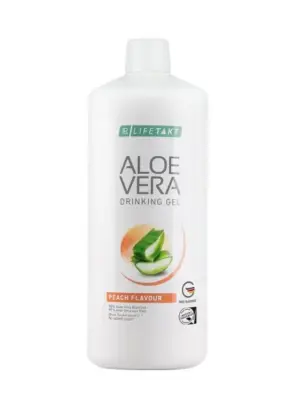
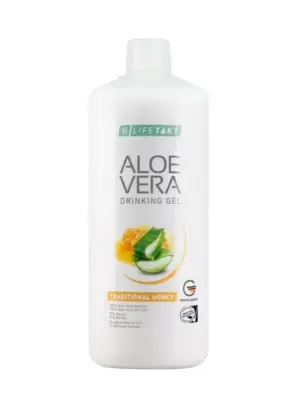
This varies a lot between products, so it is worth reading the nutrition table rather than the front of the bottle. Drinks sweetened with honey contain natural sugars, which matters if you are watching your sugar intake or have diabetes. The table compares the two LR drinking gels that are most often chosen as a first bottle, using LR’s product information.
| Feature | Aloe Vera Drinking Gel Traditional with Honey | Aloe Vera Drinking Gel Peach |
|---|---|---|
| Aloe vera gel content | 90 per cent | 98 per cent |
| Flavour | Mild, with 9 per cent flower honey | Peach, without honey |
| Recommended daily amount | 90 ml (3 x 30 ml) | 90 ml (3 x 30 ml) |
| Vitamin C per daily amount | 60 mg (75 per cent of the reference intake) | 80 mg (100 per cent of the reference intake) |
| Worth knowing | Contains sugars from honey | Check the label if you avoid sweeteners |
Both gels contain vitamin C, and here an authorised claim does apply: vitamin C contributes to the normal function of the immune system and to the reduction of tiredness and fatigue. These claims come from the vitamin C, not from the aloe.
Can you drink aloe vera when pregnant or breastfeeding?
It is best not to. According to NCCIH, aloe taken by mouth, whether as gel, latex or whole-leaf preparations, may be unsafe during pregnancy and breastfeeding, and you should talk to a health professional before using it. DermNet also advises avoiding oral aloe during pregnancy and lactation and in young children. Using aloe gel on the skin is a different matter, and we cover both in our article on aloe vera during pregnancy.
Can aloe vera interact with medication?
Yes, it can. DermNet lists possible interactions with diuretics (water tablets), corticosteroids, liquorice and warfarin, and notes that aloe can affect blood sugar control in people with diabetes. NCCIH adds that overuse of aloe latex may increase the risk of side effects from heart medicines such as digoxin. Long-term heavy use can also disturb the body’s salt and fluid balance.
If you take any regular medication, ask your pharmacist or GP before you start drinking aloe, and mention it when you are prescribed something new. Our article on aloe vera and medication lists the questions worth asking.
What is aloin and why does it matter?
Aloin is one of a group of substances called hydroxyanthracene derivatives. They are found mainly in the yellow latex under the skin of the leaf, and they are responsible for its strong laxative effect. In 2018 the European Food Safety Authority (EFSA) concluded that these substances should be considered genotoxic and carcinogenic unless data show otherwise, and it could not set a safe daily intake.
The regulatory picture has moved on since then. An EU regulation from 2021 prohibited aloe leaf preparations containing these substances in food, with a threshold of 1 part per million of total aloin according to the International Aloe Science Council (IASC). The EU General Court annulled that regulation in November 2024, and the case is under appeal. In Great Britain, an interim position published on GOV.UK in April 2024 found that estimated exposure from food, aloe drinks and cosmetics is probably below levels expected to cause harm, while noting important gaps in the evidence.
In practice, look for drinks made from the inner-leaf gel by a producer that controls aloin levels. LR uses the species Aloe barbadensis Miller, and the IASC verifies the quality and safety of its aloe vera range, according to a trade report marking twenty years of the range. If a cheap product does not say where its aloe comes from or how it is processed, choose something else.
What can aloe vera drinks honestly promise?
Aloe vera has been studied for many uses, but NCCIH describes the evidence as limited, with only small studies for most of them. No health claim for aloe vera has been authorised in the UK or the EU. Many people simply enjoy a daily drink as part of their routine, which is a perfectly good reason. If you would like a fuller picture of the research, our article on what research says about aloe vera juice so far goes through it, and our label checklist for choosing an aloe vera drink in the UK helps you compare products.
If you decide to try it, the Aloe Vera Drinking Gel Traditional with Honey has the mildest taste for beginners, while the Aloe Vera Drinking Gel Peach suits people who prefer a fruity flavour without honey. All the gels are in our aloe vera drinks category.
These are the two drinking gels we suggest for a first bottle:
When should you see a doctor?
Stop drinking aloe and talk to your GP or pharmacist if you get diarrhoea, stomach cramps or pain that does not settle within a day or two. Seek medical advice promptly if you notice yellowing of the skin or eyes, dark urine or unusual tiredness, because NCCIH reports cases of liver problems linked to oral aloe leaf extracts. Speak to your doctor before starting if you are pregnant, breastfeeding, have diabetes, kidney or heart disease, a bowel condition, or take regular medication.
Frequently asked questions
Is it safe to drink aloe vera every day?
For healthy adults, drinking a properly processed inner-leaf gel in the amount on the label is generally considered acceptable, and studies of up to 42 days found it appeared safe. Pregnant and breastfeeding women, children and people on medication should ask a health professional first.
What time of day should I drink aloe vera?
Follow the label of your product. Many people split the daily amount into three portions and link them to meals, which makes the routine easy to remember.
Can I drink the gel from my aloe plant?
We do not recommend it. Home-cut leaves contain latex with aloin, and it is hard to separate the gel cleanly. Use the plant’s gel on the skin only, after a patch test.
Does drinking aloe vera help you lose weight?
No authorised claim links aloe vera to weight loss. Weight depends on your overall diet and activity, not on any single drink.
Can children drink aloe vera?
Aloe drinks are made for adults. DermNet advises avoiding oral aloe in young children, so speak to a GP before giving it to a child.
Sources
- NCCIH: Aloe Vera (updated February 2025)
- DermNet: Aloe vera and the skin
- EFSA (2018): Safety of hydroxyanthracene derivatives for use in food
- GOV.UK: Interim position on the safety of hydroxyanthracene derivatives for use in food (April 2024)
- International Aloe Science Council: European Union regulatory information
Food supplements are not medicines and do not replace a varied, balanced diet and a healthy lifestyle. This article is general information and not medical advice.