
We are independent LR partners. Product links lead to our own product pages, and orders are placed in the official LR shop.
Dry skin on your face usually comes from a weakened outer skin barrier that loses water faster than it can hold on to it, and in the UK the usual culprits are central heating, cold wind, hot water and cleansers that are too harsh. A simple routine works best: cleanse gently once or twice a day, apply a moisturiser to slightly damp skin, protect your face from wind and sun, and avoid scrubbing.
Below you will find a morning and evening routine you can follow in a few minutes, the most common mistakes that keep a face feeling tight, and what to change when the heating goes on in autumn.
In short
- A dry face feels tight after washing and may look flaky or dull, especially around the nose, cheeks and eyebrows.
- Warm rather than hot water and a gentle, non-foaming cleanser protect the skin’s natural oils.
- Moisturiser works best when applied within a few minutes of washing, while the skin is still slightly damp.
- Central heating, cold wind and long hot showers make facial dryness worse from October to March.
- Dryness that is painful, cracked, very itchy or does not improve with a gentle routine is worth showing to a GP or pharmacist.
Why does the skin on your face get so dry?
The outer layer of the skin works like a wall of tightly packed cells held together by fats. InformedHealth.org, the patient information service of the German Institute for Quality and Efficiency in Health Care, explains that these hardened surface cells seal the skin off from the outside environment and that the epidermis renews itself roughly every four weeks. When that wall loses some of its fats, water evaporates more easily and the skin feels tight and rough.
Mayo Clinic lists the usual causes of dry skin as heating that lowers indoor humidity, long hot showers or baths, scrubbing, and harsh soaps designed to remove oil. Age plays a part too, because skin produces less oil over time, and people over 40 are more likely to notice dryness. Your face is exposed to weather all year, so it often shows dryness before the rest of the body does. Our general guide to dry skin and how to look after it covers hands, legs and body as well.
What does a simple routine for a dry face look like?
A good routine for dry facial skin has few steps and repeats them every day. The table sets out a version that takes less than five minutes in the morning and in the evening.
| Step | Morning | Evening |
|---|---|---|
| Cleanse | Rinse with lukewarm water, or use a gentle cleanser if your skin feels oily or you wore a mask overnight. | Use a mild, non-foaming cleanser to remove make-up, sunscreen and the day’s grime. |
| Hydrate | Pat the skin almost dry and apply a light hydrating gel if your skin likes extra moisture. | Use the same gel, or a moisturising mask two or three times a week. |
| Moisturise | Apply a day cream to slightly damp skin, including the sides of the nose and around the mouth. | Apply a richer cream if your skin still feels tight before bed. |
| Protect | Use sunscreen on exposed skin, even on cloudy days, and a scarf in cold wind. | Keep the bedroom cool and avoid sleeping with the radiator on full. |
If you wear make-up, put it on after your moisturiser has had a few minutes to settle. Powder products tend to sit in dry patches, so a cream or liquid foundation is usually kinder to a dry face.
Which products suit dry skin on the face?
You do not need a long shelf of products. For most people a gentle cleanser, one moisturiser and a sunscreen are enough, and a hydrating gel or mask is an optional extra for days when the skin feels particularly tight.
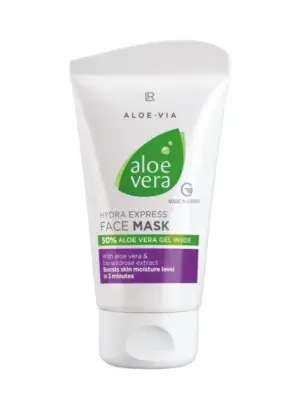
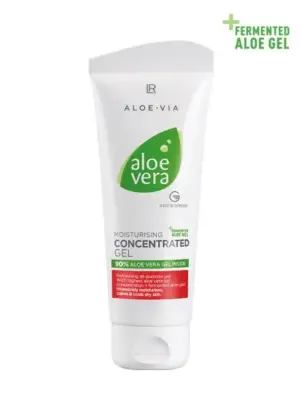
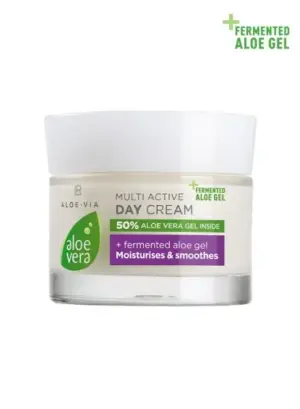
In our own routines we often reach for the LR Aloe Vera Multiactive Day Cream in the morning, because it moisturises without feeling heavy under make-up. On evenings when the heating has been on all day, a few minutes with the Aloe Vera Express Moisture Face Mask leaves the skin feeling softer, and a thin layer of the Aloe Vera Moisturising Concentrated Gel under the cream can help a tight face feel more comfortable. These are cosmetic products for everyday care. Test any new product on a small area first, especially if your skin is sensitive. You can browse the rest of our aloe vera skincare range if you want to compare textures.
The three products for a dry face mentioned in this guide are here:
Which mistakes make a dry face worse?
Several everyday habits undo the work of a good moisturiser. These are the ones we see most often:
- Washing the face with very hot water or holding it under the shower for a long time removes the skin’s own oils.
- Foaming cleansers with strong detergents leave the skin squeaky clean, which is exactly what a dry face does not need.
- Scrubbing with grainy exfoliants, rough flannels or brushes several times a week damages the outer layer further.
- Rubbing the face dry with a towel creates friction, while gently patting is enough.
- Waiting too long before moisturising lets water evaporate from the skin first.
- Switching products every week makes it hard to know what helps and raises the chance of irritation.
Mayo Clinic also suggests washing the face gently about twice a day with a non-foaming, alcohol-free cleanser and, if your skin is sensitive, cleansing only in the evening and rinsing with water at other times.
How do central heating and wind affect facial skin?
When the heating goes on in October, indoor air becomes much drier. Mayo Clinic notes that a humidifier can reduce itching and flaking caused by dry indoor air, and a bowl of water on a radiator or a few house plants are low-cost alternatives. Try not to sit right next to a radiator or a fan heater for hours.
Outdoors, cold wind strips moisture from exposed skin on cheeks and lips. A scarf pulled up over the lower face on a blustery walk makes a real difference, and a slightly richer cream in the morning gives the skin more protection than a light gel alone. Our winter skincare routine covers the whole body during the colder months.
When should you see a doctor?
Most dry skin on the face improves within two to three weeks of a gentler routine. Speak to a pharmacist or GP if:
- the dryness does not improve despite careful care;
- the skin becomes red, swollen, painful or very itchy;
- you have cracks that bleed, weep or look infected;
- large areas are scaly or peeling, or the dryness spreads to other parts of the body;
- itching keeps you awake at night or affects your daily life.
Patches of red, scaly skin around the nose, eyebrows or hairline can have medical causes that need a different approach, so it is worth asking for advice rather than adding more products.
Frequently asked questions
Should I use an exfoliator on dry facial skin?
A gentle exfoliation once a week can remove flakes, but scrubbing more often usually makes dryness worse. If your skin is red or sore, skip exfoliation until it feels comfortable again.
Is drinking more water enough to fix a dry face?
Drinking enough fluid matters for your health, but it rarely solves dry facial skin on its own. The outer layer of the skin needs care from the outside, through gentle cleansing and regular moisturising.
Can oily skin also feel dry?
Yes. Some people have an oily T-zone and dry cheeks, and harsh products can leave even oily skin feeling tight. In that case, use a light moisturiser all over and a richer one only where needed.
How quickly will I see a difference?
Many people feel less tightness within a few days of a gentler routine. Because the outer skin layer renews over about four weeks, give a new routine at least a month before judging it.
Sources
- Mayo Clinic: Dry skin, symptoms and causes
- Mayo Clinic: Dry skin, diagnosis and treatment
- InformedHealth.org: How does skin work?
We are independent LR partners and do not speak for LR Health & Beauty.