
We are independent LR partners. Links in this article lead to our product pages, and orders are placed in the official LR shop.
Dry skin happens when the outer layer of the skin loses more water than it can hold, usually because its natural barrier of oils and fats has been worn down by cold weather, central heating, hot showers, harsh soaps or simply age. It feels tight, rough or itchy and may look flaky or dull. In most people it improves within a couple of weeks with gentler washing and a moisturiser applied every day, ideally straight after a bath or shower.
This guide explains why skin becomes dry, which everyday habits make it worse, a simple washing and moisturising routine that works for most people, how to choose the right texture, and the signs that mean you should see a pharmacist or GP.
In short
- The outer layer of the skin works as a barrier, and when that barrier is damaged the skin loses water and feels dry and tight.
- Cold wind outside and dry, heated air indoors make British winters a peak season for dry skin.
- Warm rather than hot water and showers of about five to ten minutes are gentler on the skin, according to IQWiG, Germany’s Institute for Quality and Efficiency in Health Care.
- Moisturiser works best when you apply it straight after washing and use it generously, at least twice a day on very dry areas.
- Dry skin that cracks, bleeds, weeps or itches so much that it disturbs your sleep should be checked by a pharmacist or GP.
Why does skin get dry?
Skin is made of three layers, and the outermost one, the epidermis, does most of the work of keeping water in and irritants out. Its surface cells are held together by a mixture of fats that acts a bit like mortar between bricks. When this mixture is stripped away or produced in smaller amounts, water evaporates more easily and the skin starts to feel dry. Doctors call this a weakened skin barrier.
Several things commonly weaken it:
- The weather plays a big part, because cold wind outdoors and warm, dry air from central heating indoors both draw moisture out of the skin.
- Long, hot baths and showers dissolve the skin’s own oils, especially when combined with foaming soaps.
- Frequent hand washing and hand sanitiser dry out the hands, which is why nurses, carers, hairdressers and parents of small children often struggle.
- Age matters too, because older skin is thinner and produces less oil, so dryness becomes more common after about fifty.
- Genes play a role, and some people are born with a less robust barrier; changes in a gene called filaggrin, for example, make skin lose more moisture.
- Certain medical conditions and medicines can also cause dry skin, which is one reason persistent dryness is worth mentioning to a doctor.
Which everyday habits make dry skin worse?
Most of the triggers above are habits you can change without spending anything. Turning the shower temperature down a notch, taking shorter showers and washing with a mild cleanser rather than ordinary bar soap all reduce the strain on the skin barrier. Rough towels, scratchy wool next to the skin and tight clothing can irritate dry areas, while finely woven cotton is more comfortable. Many people in hard water areas also notice that their skin feels tighter after washing, which makes a moisturiser even more important.
Indoors, try not to sit right next to a radiator or fan heater for hours. A bowl of water on the radiator or a small humidifier is unlikely to transform your skin, but some people find the air feels less harsh. Drinking enough is good for your health in general, although water from a glass does not replace a moisturiser on the skin.
What is a good routine for dry skin?
A routine for dry skin does not need many products. It needs the right order and a little consistency. This is the routine we recommend as a starting point for adults.
- Wash with warm, not hot, water and keep showers or baths to about five to ten minutes, as IQWiG suggests for dry, sensitive skin.
- Use a mild, low-foaming shower gel or cleanser, and only on the areas that need it, rather than lathering your whole body every day.
- Pat the skin with a soft towel instead of rubbing it, and leave it very slightly damp.
- Apply moisturiser within a few minutes, while the skin is still a little damp, so that it helps hold in the water that has just been absorbed.
- Reapply to very dry areas, such as hands, elbows, shins and feet, during the day and before bed.
IQWiG’s advice for very dry skin is to use moisturising products generously and at least twice a day. Smooth them in gently in the direction of hair growth, which helps avoid irritating the hair follicles.
Cream, gel, lotion or ointment: which texture should you choose?
There is no single best moisturiser. IQWiG notes that good studies comparing textures are lacking, so the best product is one you like using and will apply every day. The table summarises how the main types differ.
| Texture | How it feels | Best for |
|---|---|---|
| Ointment | Greasy, long-lasting, harder to spread | Very dry patches, hands and feet at night, the depths of winter |
| Cream | Richer than a lotion, absorbs reasonably quickly | Face, hands and body for most people with dry skin |
| Lotion | Light and runny, feels cooling | Large areas in warm weather, or mildly dry skin |
| Gel | Very light, water-based, non-greasy | A refreshing layer under a cream, or skin that is tight rather than very dry |
In practice, many people use a lighter product in the morning and a richer one at night, and switch to richer textures from October to March. If your face is the main problem, our article on a simple daily routine for dry skin on your face goes into more detail, and our guide to choosing a body cream for dry skin covers arms, legs and feet.
Which products could you use?
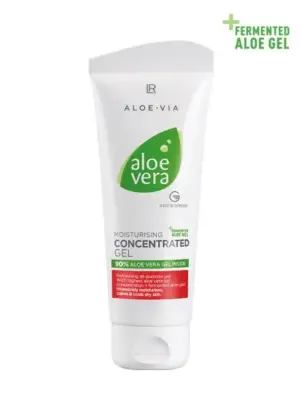
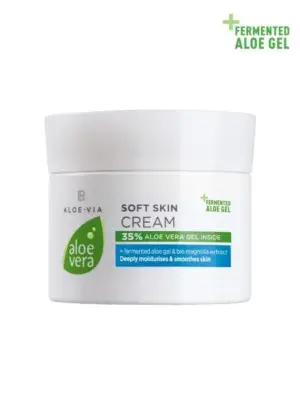
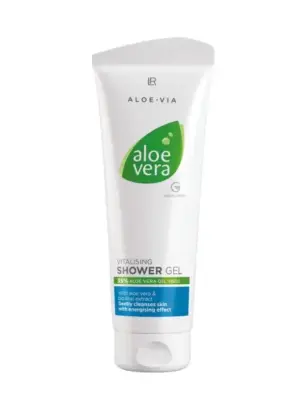
If you want to keep things simple, three products cover the routine above. For washing, the Shower Gel with 35% Aloe Vera is a mild gel that suits dry and sensitive skin. Afterwards, the Aloe Vera Soft Skin Cream moisturises both face and body, which is handy when you would rather use one cream everywhere. For areas that feel tight but not rough, or in summer, the Aloe Vera Moisturising Concentrated Gel is a light layer that many people like under a cream. On its own, a gel is usually not rich enough for very dry skin in winter, so pair it with a cream when the weather turns cold. You will find the whole range in our aloe vera skincare category.
Whichever products you choose, introduce them one at a time and stop using anything that stings, burns or causes a rash.
These are the three products we suggest for a basic dry skin routine:
When should you see a pharmacist or GP?
Ordinary dry skin usually improves within two weeks of gentler washing and regular moisturising. Speak to a pharmacist if it does not, or if you are unsure which product to choose; they can recommend medical emollients and check whether you might have eczema. See your GP if any of the following apply.
- Your skin is cracked, bleeding, weeping or crusted, or it looks infected, for example red, hot, swollen or painful.
- The itching is so intense that it keeps you awake or makes you scratch until the skin breaks.
- Dry patches are red, thickened or scaly and keep coming back, which could be eczema or psoriasis.
- The dryness appeared suddenly or covers large areas of your body without an obvious reason.
- You also feel unusually tired, cold, thirsty or are losing weight, because dry skin can sometimes be linked to conditions that need a blood test.
Frequently asked questions
How often should I moisturise dry skin?
At least once a day after washing, and twice a day or more on very dry areas. Applying a moisturiser straight after a shower, while the skin is still slightly damp, helps it work better.
Is dry skin the same as dehydrated skin?
Not quite. Dry skin lacks the oils that hold water in, while dehydrated skin lacks water and can happen to any skin type. In daily life the care is similar: gentle cleansing and a suitable moisturiser.
Why is my skin drier in winter?
Cold air outside holds little moisture, and central heating dries the air indoors. Many people also take hotter, longer showers in winter, which removes more of the skin’s natural oils.
Does drinking more water help dry skin?
Drinking enough is important for your health, but extra water alone will not fix dry skin if the barrier is damaged. Gentle washing and regular moisturising make a bigger difference.
Can I use the same cream on my face and body?
Yes, if it suits your skin and does not block pores or sting. Some creams are designed for both, which keeps the routine simple.
Sources
- InformedHealth.org (IQWiG): How does skin work?
- InformedHealth.org (IQWiG): Skin care for eczema
- InformedHealth.org (IQWiG): Skin care and topical treatments
- InformedHealth.org (IQWiG): Atopic eczema
We are independent LR partners, not LR Health & Beauty itself. This article is general information and not medical advice.