
We are independent LR partners. Links in this article lead to our own product pages, and orders are placed in the official LR shop.
Collagen is the main structural protein in your skin, bones, tendons and cartilage, and it is what gives skin its firmness and spring. Your body makes collagen itself from the protein you eat, and it needs vitamin C to do so. From early adulthood production slowly falls, and sun exposure and smoking speed up the breakdown, which is one reason skin becomes thinner and less firm with age.
This article explains in plain English what collagen does, why skin changes over the years, which everyday habits matter most and where food and supplements fit in, without promises that the evidence cannot support.
In short
- Collagen is a protein that forms a dense network of fibres in the middle layer of the skin, the dermis.
- The body builds collagen from amino acids in food, and vitamin C is essential for that process.
- Older people generally have thinner skin than younger people, and sun exposure adds to the change.
- Daily sun protection, not smoking, enough protein and plenty of fruit and vegetables are the habits with the clearest benefit.
- Research on collagen supplements is still at an early stage, and larger studies are needed.
What is collagen?
Collagen is a family of proteins that act as the body’s scaffolding. Long, rope-like collagen fibres hold tissues together and stop them from tearing when they are stretched. There are several types: type I is the most common in skin, bone and tendons, while type II is found mainly in cartilage.
In the skin, collagen sits in the dermis, the layer beneath the visible surface. InformedHealth.org, the patient information service of the German Institute for Quality and Efficiency in Health Care, describes the dermis as a dense network of tough, elastic collagen fibres that makes skin strong yet stretchy. The same layer holds blood vessels, nerves and sweat glands.
How does the body make collagen?
Your body cannot take collagen from food and simply put it in place. Instead, it breaks dietary protein down into amino acids and then builds new collagen in cells called fibroblasts. This means that the quality of your diet as a whole matters more than any single collagen-rich food.
Vitamin C plays a central role in this process. The Nordic Nutrition Recommendations 2023 describe vitamin C as a cofactor for the enzymes involved in collagen biosynthesis, and a review by Al-Niaimi and Chiang in the Journal of Clinical and Aesthetic Dermatology calls it essential for collagen production in the skin. Humans cannot make vitamin C themselves, so it has to come from food every day.
The authorised health claim in the UK and the EU reflects this: vitamin C contributes to normal collagen formation for the normal function of skin.
Why does skin change as we get older?
Several things happen at once. The body makes less collagen each year from early adulthood onwards, and the existing fibres become less organised. InformedHealth.org notes that older people generally have thinner skin than younger people. Hormonal changes around the menopause also affect the skin in many women.
Outside influences add to the natural process. Ultraviolet light from the sun breaks down collagen and is responsible for much of the visible ageing on the face, neck and hands. Smoking reduces blood flow to the skin and increases the body’s need for vitamin C; the Nordic recommendations suggest that smokers need about 40 mg more vitamin C a day than non-smokers. Poor sleep, very low-protein diets and repeated crash dieting can also leave skin looking tired.
If you want to read more about the whole process, our article on how skin ages looks at sun, time and everyday habits in more detail.
What can you do to protect the collagen you have?
The most effective steps are simple and cost very little. The table below sets them out with the reason behind each one.
| Habit | Why it matters for collagen | Practical tip |
|---|---|---|
| Daily sun protection | UV light breaks down collagen fibres in the dermis | Use a broad-spectrum sun cream on the face from spring to autumn, including on cloudy days |
| Not smoking | Smoking reduces blood flow to the skin and raises vitamin C needs | Ask your GP or pharmacist about local stop-smoking support |
| Enough protein | Collagen is built from amino acids that come from dietary protein | Include fish, eggs, dairy, pulses, tofu or meat at each main meal |
| Fruit and vegetables | They supply vitamin C, which the body needs for collagen formation | Peppers, kiwi, oranges, strawberries, broccoli and potatoes are good everyday sources |
| Good sleep | Skin repair processes are active overnight | Aim for a regular bedtime and a cool, dark bedroom |
Which foods help your body make collagen?
Bone broth and the skin of chicken, fish or pork contain some collagen, but Harvard Health Publishing points out that the amounts are small. A more useful approach is to make sure you eat enough protein overall and plenty of vitamin C.
In the UK, adults are advised to eat at least five portions of fruit and vegetables a day, and that alone usually covers the vitamin C you need. A red pepper, a kiwi or a glass of orange juice each provides a generous amount. If your diet is low in fresh produce, for example during a busy period or when you are eating on the go, a vitamin C-rich drink or supplement can help you reach your daily intake.
The Aloe Vera Drinking Gel Intense Sivera is one such option. Its daily portion of 90 ml provides 80 mg of vitamin C, which is 100% of the nutrient reference value, and vitamin C contributes to normal collagen formation for the normal function of skin. The drink also contains aloe vera gel, nettle extract and a little honey, and it has a herbal taste that some people prefer to the sweeter flavours.
Should you take a collagen supplement?
Collagen supplements, usually sold as powders or drinks containing collagen peptides, are popular and widely studied. Harvard Health Publishing summarises the early research as promising for skin elasticity, but it also stresses that larger studies are still needed and recommends discussing supplements with your doctor. In other words, a collagen drink can be a personal choice, but it is not a replacement for sun protection and a good diet.
If you decide to try one, look at what else the product contains and how much of each ingredient you get per day. LR’s 5in1 Beauty Elixir is a daily drinking shot. According to the manufacturer, each 25 ml vial contains 2.5 g of collagen peptides and 120 mg of hyaluronic acid, together with vitamins, zinc, copper and 20% aloe vera gel, without sweeteners. Check the nutrition table on the pack for the exact amounts of each vitamin and mineral before you buy.
Both drinks are shown below, and you can find more products in our supplements category:
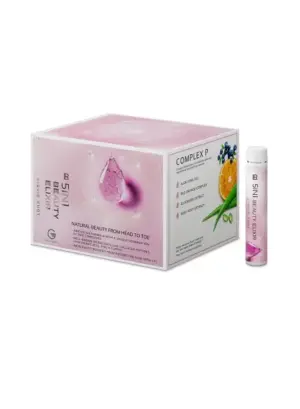
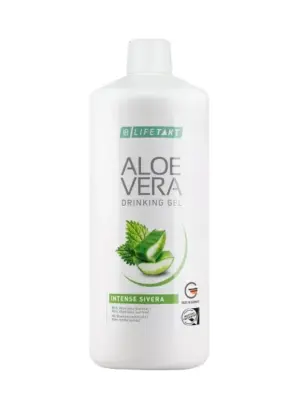
For a broader look at nutrients linked to skin, hair and nails, read our guide to hair, skin and nails vitamins.
When should you see a doctor?
Most changes in skin with age are normal and harmless. You should, however, speak to your GP or a pharmacist if you notice any of the following:
- A mole that changes shape, size or colour, bleeds or itches.
- A sore or patch of skin that does not heal within a few weeks.
- Skin that bruises very easily, gums that bleed or wounds that heal slowly, especially if your diet contains little fruit and vegetables.
- Sudden, unexplained changes in your skin, hair or nails together with tiredness or weight loss.
If you take medicines, are pregnant or breastfeeding, or have a long-term health condition, ask your doctor or pharmacist before starting any supplement.
Frequently asked questions
At what age does collagen start to decline?
Collagen production begins to fall gradually from early adulthood. The change is slow at first and becomes more visible in the forties and fifties, especially in skin that has had a lot of sun.
Does vitamin C help collagen?
Yes. Vitamin C contributes to normal collagen formation for the normal function of skin, and the body needs a regular supply from food because it cannot make its own.
Can collagen supplements reduce wrinkles?
Some early studies have looked at skin elasticity, but the research is still limited and larger trials are needed. Daily sun protection and not smoking have a far clearer effect on how skin ages.
Is collagen suitable for vegetarians?
Most collagen supplements are made from animal sources such as fish or cattle, so they are not suitable for vegetarians or vegans. Vegetarians can support their own collagen production with enough plant protein and vitamin C.
Do collagen creams work?
Collagen molecules in creams are generally too large to reach the dermis. A cream can moisturise the surface and make skin feel smoother, which is useful, but it does not replace the collagen in deeper layers.
Sources
- InformedHealth.org: How does skin work?
- Al-Niaimi F, Chiang NYZ. Topical Vitamin C and the Skin: Mechanisms of Action and Clinical Applications. J Clin Aesthet Dermatol, 2017
- Nordic Nutrition Recommendations 2023: Vitamin C
- Harvard Health Publishing: Do collagen supplements fulfill their promises?
- European Commission: EU Register of nutrition and health claims
Food supplements are not medicines and should not replace a varied, balanced diet and a healthy lifestyle. This article is general information and not medical advice.